


With a deep understanding of your business alongside clear and honest communication, we help clients face challenges fearlessly.
Learn more about our services and how we help clients.



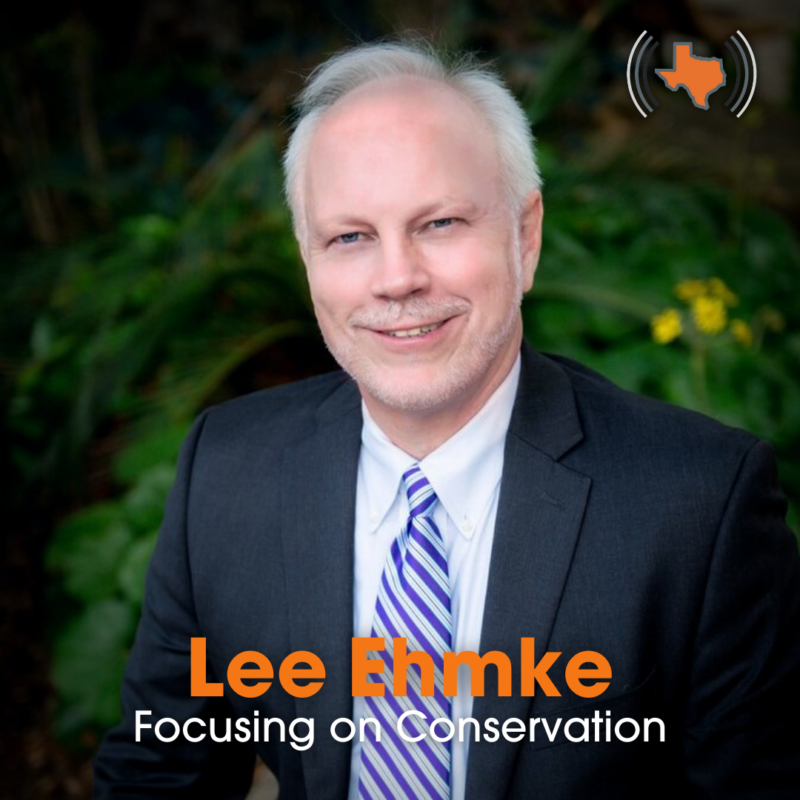
We are celebrating the Houston Zoo’s 100th anniversary with the Zoo’s President and CEO, Lee Ehmke!
Lee discusses the conservation efforts and improvements undertaken by the Houston Zoo and how contributions and partnerships are leading to world wide efforts to save animals in the wild. This episode is an exciting venture into the world of global animal welfare and the efforts being undertaken to protect all the amazing creatures we share this planet with.
Transcripts are generated by machine learning, so typos may be present.
Chris Hanslik: In today’s episode, you will meet Lee Emke, president and CEO of the Houston Zoo. And as the Houston Zoo celebrates its 100th anniversary, you will learn from Lee how it remains focused on conservation efforts around the world by staying true to its mission of saving animals in the wild. You will also learn that the first animal at the Houston Zoo was a bison named Earl. Lee, I want to welcome you to the show. Thanks for taking time to be with us today. My pleasure. So you’re the president and CEO of the Houston Zoo. Could you just give us a little bit of the history around the origins of the Houston Zoo?
Lee Ehmke: Well, you know, it’s been fun this year because it’s actually our 100th birthday. So we’ve been doing a lot of research and kind of looking back to see, you know, how did the zoo get started and what’s happened over the 100 years that we’ve been in Herman Park. And the origin story is a classic one for a lot of zoos. It was sort of a couple animals that were left over from other things. And someone said, hey, let’s start a zoo. But in particular, with the Houston Zoo, it was great. There was a bison whose name was Earl, who was literally the first animal to be taken to Herman Park as part of what became, obviously, a much bigger zoo later on.
Chris Hanslik: OK. Who were some of the original founders then? City leaders or other philanthropists?
Lee Ehmke: Yeah, Mayor Holcomb at the time, Oscar Holcomb was very much behind this. He was sort of pushing for a lot of cultural institutions and things to make Houston a great city. At that time, zoos were something that many cities are starting to develop, and so he was really kind of pushing that from the beginning. And a number of the parks director, Brock was his last name, was also very engaged in that. So they secured the land and started getting donations of animals from various places. And then said, well, we need to be a serious zoo at some point. There was an announcement in the paper, and it was April 30th, 1922, where they basically said, the city leaders are committed. They want to have a solid modern zoo for Houston.
Chris Hanslik: That’s fascinating. So let’s talk about 100 years as impressive longevity, right? Going from the early days, I guess, when it was just Earl the Bison, how has the zoo evolved over its 100 years?
Lee Ehmke: Well, it’s been continuous, and if you kind of look at it, it traces the history of Houston as a city in a lot of ways. The ups and downs, the boom and bust cycle that the city’s been through, the zoo kind of went through all that as well. So the early days it was a period of pretty fast growth, very quickly there were hundreds of animals where they were originally just an earl. And then there were some slowdowns during the depression, obviously. There were calls to close the zoo because it wasn’t getting enough funding. But in the 50s and 60s in particular, there was a real push to grow the zoo. And as Houston was growing at that time, the zoo expanded significantly, not so much on its footprint, but just in terms of the number of animals and exhibits and programs that it offers. And then in the 70s and 80s, it got a little bit slower, again, kind of mirroring the economy. And then what kind of the most momentous occasion for the zoo really was in 2002 when there was an agreement made with the city to privatize the zoo. So it’s now operated by a nonprofit, Houston Zoo Inc. On behalf of the city still owns the zoo and provide some support but that was really the turning point from being you know pretty you know a good zoo to one of the greats in the country right now.
Chris Hanslik: That’s great in fact i know that the houston’s is one of the most visited zoos in the united states. Have you gone about achieving and maintaining such a high status of attendance?
Lee Ehmke: Well, it helps to be in the fourth biggest city in the country. For starters, the attraction zone for the city and the number of people who are around the zoo is a huge benefit. But I think the other thing is our location. The fact that we’re very central in Herman Park. We’re right in the middle of things. You know is interesting i’ve worked at a couple of other zoos that have been built more on the outskirts of town at the minnesota zoo which was built in the nineteen seventies was actually built in outer suburb with the idea that we need a lot of space for a zoo. Which is great but people maybe didn’t find that we didn’t think they had time to make the commute over the river to go see the zoo. Where is we are so central and park has been such a core part of his existence for more than a hundred years but i think that’s really helped us out that right right middle things are accessible to everyone. And the other thing is we have a really good product is great and we’ve been adding new exhibits and new features pretty much on a regular basis. And word is out, people, you know, when I first came to Houston, I did the taxi cab test, which is, you know, ask the taxi cab driver, what are they, you know, what’s the zoo like here? Positive glowing reviews. And I kind of get that from almost everyone. Everyone remembers the zoo, even if they thought, you know, back in the day, you know, maybe it wasn’t that great, but they still loved it. It’s a family memory. But then I also hear, and we’re so excited about what’s happened at the zoo for the last 15 or 20 years to see the growth and improvement.
Chris Hanslik: Yeah, well I can speak personally, right? The two daughters I raised in Houston, we went to the zoo so many times and I have memories of my oldest daughter from where she went to preschool. We would drive through Hermann Park by the zoo every morning. I went to school and you can see the giraffe exhibit. And so I think great job making it a wonderful family attraction. You mentioned that you’ve been adding new things. What are some of the more recent attractions that have been added to the zoo that maybe some of our listeners don’t know about?
Lee Ehmke: Sure. Well, again, starting back in 2002 when the zoo privatized, I’d say that three quarters of the zoo has been rebuilt since then. So if you haven’t visited in the last 20 years, most of it is going to seem new. But particularly in the last five years, we’ve done a strategic plan and a master plan that turned into a capital campaign, and we’ve been building some amazing new exhibits. We built the Texas Wetlands that focuses on our local environment and features alligators and whooping cranes and bald eagles, which we thought was important to focus not just on exotic wildlife, but on places right here in Texas that are important. So that opened up in 2019. 2020, we opened an exhibit called South America’s Pantanal. And we’ve asked people, did they know what the Pantanal is? And we had 97% of our guests didn’t. And we thought it was important to kind of change that perception, because the Pantanal is probably the richest wildlife area in all of South America. It’s right in the heart of South America and Brazil. It has every kind of animal that lives in that continent in huge numbers. And the zoo’s been focused on conservation programs there for many years, so we wanted to weave that story together. So the Ponsonol exhibit that opened in 2020 is one of the highlights of the zoo now. It’s got jaguars and anacondas and tapirs and giant river otters and birds and fish and the whole ecosystem represented in a pretty unique way that, you know, we’re really excited and proud about how that’s come out. We’ve redone our exhibits for orangutans and for bears in recent years. Just before I got here in the 2010 to 2015, we opened the African forest exhibits with new areas for giraffes and rhinos and chimpanzees and then a world-class gorilla exhibit in 2015. So that’s for starters.
Chris Hanslik: There’s a few things going on. The South American Exhibit sounds amazing.
Lee Ehmke: Yeah, no, it’s the idea that we’re trying to move towards the idea of showing whole ecosystems, that how animals fit together as part of the environment, rather than the traditional way of seeing several similar types of animals grouped, all the monkeys over here, etc. And I think it’s people have really resonated with it because it feels like you’re kind of a little mini safari to, you know, a wild place and seeing animals in natural habitats, but also seeing the whole variety of animals that and it was great. We had the ambassador to Brazil who’s here in Houston came and visited with her family and she said this feels just like home.
Chris Hanslik: What better compliment, right? Yeah. So tell us about the mission of the zoo and how your conservation efforts kind of align with the day-to-day operations of the zoo.
Lee Ehmke: Sure. And I think zoos are still primarily perceived and we don’t want that to change as places to take families for a good day out. In fact, we do a survey of our guests and most people come to the zoo not even necessarily to see animals, but they want to do something with their family or friends in an outdoor environment and the animals are part of that. So there’s that. We know that’s sort of why people come to zoos in general, but we have shifted why we exist pretty significantly because the things that we exhibit, if you think about it, are disappearing. Animals all over the world and their habitats are being lost, and we have, we believe, a responsibility to do something to actually stop that. And so our mission is to save animals in the wild. And we do that by connecting people who come to the zoo, whether they’re not coming necessarily for education or for conservation, but when they’re here, they’re a very receptive audience. And what we’re telling people is the very fact that you’re coming to the zoo and buying a membership or buying an admission to the zoo is actually supporting the work that we’re doing to save animals in the wild. So visiting the zoo is actually an act of conservation, which is something maybe is not what is top of mind for our guests, but we think ultimately that’s why we exist.
Chris Hanslik: I would bet that resonates well with Houstonians or whoever your customer base is. because they never thought of it that way, but then they feel like they’re doing something to help get back by simply spending a Saturday morning at the zoo.
Lee Ehmke: Yeah, it’s a fun day, but there’s a value add. There’s something, there’s a purpose to the visit as well.
Chris Hanslik: So the zoo is currently supporting 33 wildlife conservation projects in 17 countries around the world. How do you balance those efforts, those global efforts with what you’re doing locally and maybe could you shed some light on some of those projects the zoo’s involved in?
Lee Ehmke: Sure, and what we’re trying to do more and more is to connect the animals that we have at the zoo that people are coming to see with conservation programs in nature where those animals live. For example with gorillas we said when the grill exit was being planned with that point we didn’t have any gorilla conservation programs that we were supporting. But we intentionally went out and made some connections with organizations in rwanda and in congo and said you know we wanna help support. what you’re doing to help save gorillas in nature and that’s going to be part of the story that we’re going to tell our guests when they come to the zoo to see our gorilla exhibit. So we’re trying to make them integrated. I guess that’s the best way to do it with the guest experience and the conservation programs are linked. And we’re also looking for long term partnerships because there’s so many conservation needs out there and it would be easy for us to just write checks and say here go do what you need to do and help save X Y or Z. But we’re looking for long term relationships because conservation is a process not a product. Things go on and on and you get immediate results. So we’re looking for partners who we know are going to be in it for the long haul, who are also connected deeply to their communities. So we’re typically looking for organizations that are grassroots in, whether it’s Brazil or Madagascar or Africa. So local scientists and individuals who are trying to do the work there, we partner with them. We also love the fact that it’s a two-way street because those people will actually more and more are feeling like they’re part of the Houston Zoo. I was in Rwanda a couple of months ago and went to see the headquarters for the gorilla doctors, which is a group of veterinarians who are taking care of gorillas in the wild when they become sick or injured. And I went to the front door and the front door, there’s a huge Houston Zoo logo right there. To see that level of connection and the fact that that team was so proud of the fact that they’re representing a country they’ve never even been to. So it’s a different way of focusing on conservation than some organizations do it, and I think it’s proven to be a really successful model.
Chris Hanslik: That’s great. Just maybe to educate our listeners, and you can pick the gorillas if you want. How does the zoo go about sourcing the animals? I know we read about in the paper and see on the news when like a baby’s born there, but how does it start and what’s that process look like?
Lee Ehmke: Yeah, and it’s so different from the days of Earl the Bison where basically, you know, animals were caught in the wild and brought to zoos. That was pretty typical up until really 20 or 30 years ago. today because we don’t want to be a consumer of wildlife. We’re quite the opposite. We want to protect and increase wildlife. So 95% of the mammals that are in zoos are born in other zoos or born in the zoo that they’re in. And we work very collaboratively with zoos all over the country and really all over the world. exchanging animals to keep genetics strong and the right bloodlines and all that, and to balance the population so that it works out that each zoo has the animals they need for exhibits, but it’s also, you know, we’re not taking animals out of the wild. And so most animals in zoos are multiple generation captive-born zoo animals. In some cases, we’re able to actually return animals to the wild, and we love when we can do that. And we’re doing that specifically here in Texas with two species of animals. They’re fairly small and obscure, but they’re really cool. One’s called the Atwater’s prairie chicken, which is a grouse, and the other is the Houston toad. Both of those animals would be completely extinct in the wild or completely extinct if it wasn’t for the Houston Zoo, bringing them in, setting up breeding programs and finding partners so that we can reintroduce them back into the wild. So back to your original question, we are basically net producers of animals as opposed to consumers. And we work as part of a global organization really to maintain healthy populations of animals in zoos.
Chris Hanslik: Is the reentry into the wild for those two species going well?
Lee Ehmke: Yeah, I mean it’s been up and down. The prairie chickens were doing great, and then Harvey flooded most of the area that they had been reintroduced to, and we lost a good half of the reintroduced population. But in the last few years, the hatchings and the reintroductions have been going really well. Houston toads are now in several locations where, again, they originally lived and now have been reintroduced, and they’re doing really well. We’re excited about that. But these are projects that have been going on for years. And back to that idea that conservation is not a one and done kind of thing. It’s a process that takes a long-term commitment.
Chris Hanslik: Sure. Well, congratulations on that. So let’s talk about the last two years. Hard not to, right? COVID pandemic. How has that affected the zoo from an operational standpoint, from visitors? And what are some of the things that you’ve done to try to shift or adjust what you were doing at the zoo to keep it viable, keep it going?
Lee Ehmke: Boy, what a lot of facets to that question because it’s been a matter of adaptation and kind of see-in-the-pants evolution of how we do business. Initially, we were closed for two and a half months. We were actually one of the first institutions to say we’re going to have to close. And that immediately meant that most of the people who work at the zoo didn’t need to be there and we didn’t want them there obviously at that point we’re trying. Then we did a gradual reopening that included a lot of social distancing and various requirements trying to kind of keep up with the CDC and the state requirements as well. But what’s really happened is a complete change in our business practice. Forever, a zoo has been a place that you wake up on a Saturday morning and say, hey, let’s go to the zoo. We’ve gone to a reservation system now. So we’re much more like a sporting event or even a movie where people now, in advance, buy tickets online and come on a time ticket basis to the zoo. which has actually been great because it’s allowed us to spread out attendance over during the day and during the week because anyone who knows, you know, if you try to, it used to be, still can be on a Saturday, a beautiful Saturday morning and everyone wants to go to the zoo at nine o’clock. It can be not a great experience. Right. Long lines and hard to find parking.
Chris Hanslik: Exactly. Yeah.
Lee Ehmke: So it’s been interesting. We didn’t know how that was going to play. That was a complete shift in way. But our audiences said this is great. The guest experience is better. People have adapted seamlessly to a no cash, basically all online reservation system. And the great news again for us is that we’re capturing a lot of information about our guests and able to provide special offerings to them that maybe we didn’t even know who our guests were before. So from a business perspective, it’s changed things quite a bit. From staffing and keeping people happy, we’re seeing the same thing every other business is in terms of the great resignation and people re-evaluating life and saying, sure, we want to change things. We have gone through, we did a pretty significant compensation study to really look at all levels of our staffing and what we needed to do. We did find, like many other organizations, that entry-level positions and some of those things, we needed to do more. Luckily, we had the resources to be able to do that and we’re seeing some pretty positive results from that as well.
Chris Hanslik: That’s good. Imagine you said you closed for two months, but not everyone could go home because you had to have some essential core staff there to take care of the animals, right?
Lee Ehmke: For sure. And, you know, it’s interesting. People think, you know, who works at the zoo, it’s only about 30% of our staff are directly involved in animal care because when you think about it, the zoo is kind of like a small city. We have every kind of operation that you would think about, you know, shops and fundraising activities and marketing and finance and all those, most of those functions or many of them could be done remotely and were, but certainly the animal care and the facilities maintenance and security were areas where we always, we had to continue the 24 seven operation. So. Which was, you know, it’s challenging to suddenly have kind of two groups of people. The people who have to be there and the people who are there, you know, on call at best. But I think we’ve done a good job of reintegrating the team since, you know, over the last two and a half years as things evolved.
Chris Hanslik: Sure. So, you know, you bring up a good point because I think a lot of businesses are dealing with or have dealt with that split workforce, some that don’t have an option to work remote and others that do. What are some of the things that you tried to do as the leader, the president and CEO of the organization to be present for both groups and maybe for those that didn’t have the option to work remote, let them know that they’re still valued and what they were doing was important even though they may have felt like it a burden on them that they had to come in every day.
Lee Ehmke: Sure. Number one, be present. I think I worked remotely for two days and then said, you know what, I got to get to the zoo. And so now the advantage was it was the first few months because traffic was down. I was riding my bike to the zoo. It was sort of a different experience. But, you know, being present on grounds, I think meant a lot to the people who had to be there and a lot to me that feeling connected. You know the communication piece you can probably never communicate enough but there was a constant sent you know doing lots of messaging to the entire team about you know what was happening how things were changing and how grateful we were for what everyone was doing sure in the circumstance.
Chris Hanslik: Did you also then, you know, you being present on site every day as you’re communicating with the staff is remote find some challenges of where maybe they felt like indirectly you were there was pressure that they should be there just because you were. Did you sense that or encounter that? You know, it’s interesting.
Lee Ehmke: I think a lot of people wanted to come back. They wanted to be back. soon as they could and when we you know once we start bringing people back we saw that but the flip side of that was they wanted to be back but not all the time which is fair i think it’s a new way of working i think we’re finding ways to balance that out that you know the increased flexibility for you know to be able to take a day here and there and work from home you know we’re encouraging that and like everyone else kind of figuring that out.
Chris Hanslik: So just maybe a little bit more about you personally. Before you came to Houston, what were you doing? You were working in the zoo industry, I guess?
Lee Ehmke: I was, but I have a kind of not a checkered past, but when you look at how do zoo leaders, where do they come from? I think traditionally it was from animal care or veterinary services and you kind of were an animal person who ran a zoo. But zoos have become so much more, you know, their businesses now. Sure. And so you’re seeing people come from all walks of life to into zoo management. But I got here via kind of I started out actually as a lawyer long ago. Oh, wow. A recovering lawyer. Yeah, I think I fully recovered at this point. But and But I was always interested in the environment, environmental issues, and had seen what zoos were evolving into back in the 80s, in particular from moving away from being menageries to conservation organizations. And I wanted to be part of that. And the way I ended up being part of it, because I had another interest, which was landscape architecture and exhibit design. So I became a zoo exhibit designer. There’s not a whole lot of them, but I was one. Got hired to go to the Bronx Zoo in New York, which at that time was doing a massive rebuilding, reimagination of that campus. And so started out in the zoo world as an exhibit designer, building natural habitat experiences for animals and people. And then eventually, you know, I was interested in the bigger picture of the operation of the zoo and the mission of the zoo. So I was asked to go in as CEO and president of the Minnesota Zoo in Minneapolis. And I was there for 15 years, which was fantastic. And then this opportunity in Houston came up. The Houston Zoo at that point had a great reputation as a zoo that was on the rise, so it was a very sought after opportunity. And the board said that they were looking for someone who could manage a period of big growth and revitalization at the zoo. We signed on the dotted line and I’ve been here since 2015 and it’s been fantastic.
Chris Hanslik: Very good. Well, we’re lucky to have you. You were talking about the diverse workforce you have. What’s the total number of employees that the zoo currently has?
Lee Ehmke: It’s about 400, which is a little less than it was pre-COVID, but it’s been building back up the last couple of years. So that’s 400 working directly for the zoo. And then in addition, our food and beverage and retail operation is second partner. And so there’s probably another 200 to 300 of those folks who are working at the zoo as well. So it’s a pretty big operation.
Chris Hanslik: You know, I expected it was gonna be a big operation, but it’s maybe two or three times bigger than I expected. That’s a large number of people to manage. How would you describe your leadership style and running an organization of that magnitude?
Lee Ehmke: Well, I like to be inclusive and I like to listen. I think that’s been, you know, it’s important to really, you know, before you make a decision, you got to hear what people are thinking and, you know, take it into consideration. Maybe not follow what they’re asking, but, you know, I really rely a lot on my senior team and the next tier down of leadership at the zoo to make a lot of the decisions and to keep me informed. I get more deeply involved in things where I think it’s important for me to do or my expertise in exhibit design. For example, I can’t help myself. I’m in there with a red pen on the design drawings and then the community outreach, you know, working with, you know, we have, we rely so much on Houston’s amazing donor community. And so a big part of my job is working with folks who already have supported the zoo or potentially might, you know, so it’s kind of being out there, being transparent about what we’re doing and trying to get people excited about it because it certainly excites me.
Chris Hanslik: Yeah. Have you had any mentors along the way that kind of helped you develop and evolve as a leader?
Lee Ehmke: Absolutely. I mentioned the Bronx Zoo, which was my first zoo job. The leader of that organization was a guy named Bill Conway, who literally in the zoo community around the entire world, they refer to him Ironically as God was just the guy who just philosophically took Zeus from where they were into where we’re headed now. And was just brilliant but he was also very warm and open guy and he was very encouraging to me early on in my career and to many other folks so bill conway started he just passed away last year so someone that really meant a lot to our community. And yeah, pretty much everywhere I’ve gone, I’ve had people who have been helpful and everyone has a boss, right? So as a new CEO, I have a board of directors who ultimately are making a lot of decisions or supporting or not supporting decisions that you make. And I’ve been blessed to have fantastic board leadership basically throughout my career, but particularly here in Houston.
Chris Hanslik: That’s great. So this podcast is about businesses in Texas and building them. A lot of our listeners are entrepreneurs or business owners. You’ve let one zoo for 15 years, you’re now at seven years into the Houston Zoo. Any words of advice you might give to a business owner or an aspiring entrepreneur just when you think about a couple important qualities in leading an organization when you’re the president CEO that you got gleaned from your career?
Lee Ehmke: Well, I kind of hit it earlier. I think taking the time to listen to your, whether it’s your customers or your potential customers or your workforce, there’s a lot to learn from them. So I think that’s really critical. And humility is part of that. You can’t, you may have the best idea in the world, but it might not be the best. So sometimes you got to accept that.
Chris Hanslik: So as you mentioned earlier, kind of this word, you are with your staff in this hybrid workforce. What are some of the things that you have done, maybe are doing now or have plans to do this year as you work to reintegrate and reconnect to kind of bring that culture back together?
Lee Ehmke: Yeah, which is a really important thing because for a few years we had a zoo culture that was the Envy of all the other zoos around the country. They were asking us, you know, how do you get this where everyone at the zoo is bought into the mission of this organization, you know, whether it’s the people at the front gate or the groundskeepers. We were finding ways to involve all of them in the conservation mission of the zoo. Yeah, I’m going to produce and then with that, you know, with COVID a lot of that stopped. So we’re focused on getting that back up and running and one of the ways is just being back in person, having all staff meetings. We had a couple this year finally to kind of get back and just have everyone see each other and remember, oh yeah, you’ve worked here.
Chris Hanslik: It’s funny how fast that 18 months, two years have gone and people are like, wow. Yep, incredible.
Lee Ehmke: So a lot of that personal, you know, and then recognition, you know, everyone wants to be recognized for the value that they’re providing to an organization. People want to be recognized in different ways. So we’re, you know, looking at, you know, whether it’s, you know, a public award or just an attaboy, finding ways to do that.
Chris Hanslik: That’s one of the challenges, right? Is everyone that appreciation or everyone values something different. So trying to figure that out. We’re so used to a company doing it one way and that didn’t necessarily connect with everybody. For sure.
Lee Ehmke: You know, and you know, we’re a nonprofit, so for a lot of businesses, you know, the way you show appreciation is with money. And we do that to an extent, but obviously that’s not the primary way. I think for us, luckily, we have this incredible mission and this incredible place. that people can get behind and given the right communication, I think that often is the reward in itself is realizing what important work people are all doing to help save animals in the wild and to help create a great experience for people here in Houston.
Chris Hanslik: Right, so let’s get back to the centennial. What are some of the things that the zoo is doing to promote and celebrate the 100-year anniversary?
Lee Ehmke: It’s a long list, but it kind of starts with, you know, we had a big ceremony. The Mayor Turner came out and we had a lot of our donors at the zoo on April 30th, which was the actual 100th birthday of the zoo. Which was a great press event and that actually was followed up by a half an hour TV special that was really good that really looked into the whole history of the zoo. We’ve got you know on site we’ve got banners and a timeline that shows the history of the zoo and just you know for people who are actually at the zoo and then our advertising campaigns and are specially on our online presence is really focused on. getting people’s memories, you know, getting we’ve had hundreds of people who have sent in pictures or anecdotes about their experience with the zoo, why they love it. And so kind of that, you know, grassroots appeal, and then just getting the word out about, you know, what’s, you know, what’s happening at the zoo, whether it’s, you know, every Saturday, we’re gonna have kind of a mini birthday party, okay, to the zoo, rest of the year. And then we’re really because it’s a whole year long celebration that started April 30, the most exciting thing we’re going to be able to offer at the end of it, it’ll be early next year, we’ll be opening the biggest exhibit that we’ve ever done at the zoo by a mile, which is the Galapagos Islands. Wow. Tell us more about that. Well, if anyone has seen a TV special or has actually had a chance to visit the Galapagos knows it’s just the most unique place, one of the most amazing places in the world, and obviously really important in the history of science and But it also has history with the other pirates there and all kinds of crazy stuff. But the animal life there is unique. And no other zoo in the world has really ever done an exhibit focused on the Galapagos Islands. And so we will be the first to do it. But it’s funny because it started out, really the whole idea was we need a new sea lion exhibit. If you remember the zoo, the sea lions have been swimming in the same kind of swimming pool in the middle of the zoo for over 50 years. So we need to build a new habitat for sea lions. But then at the same time, we’re saying that we want all of our new exhibits to connect to conservation programs. And sea lions in California and up the West Coast are doing just fine. There’s no conservation need or story there. But I was reminded by our head veterinarian that there are sea lions that live in the Galapagos Islands. And so where we have a history of doing conservation work and there’s some incredible animals like the giant tortoises and iguanas, So we kind of put those ideas together and said, let’s build this beautiful new habitat for our sea lions right at the front of the zoo when you first come in, but put it in the context of the Galapagos Islands. So instead of a fisherman’s wharf kind of exhibit for sea lions, this is something you’re going to come in and see, this amazing lava landscape with a cactus coming right down to the ocean. Sea lions, literally, before you even come into the zoo. And then from there, it’s a whole experience that has giant tortoises and iguanas. And sharks and rays and penguins all in various habitats that all represent the Galapagos Islands, but that will be done for the first time in many cases at our zoo. And it’s about a 70 million dollar project. So almost half of this big capital campaign that we’re engaged in is being invested in this. It’s right at the front door. So the minute you come into the zoo, it’s going to be a big wow. So beyond curb appeal to kind of the, you know, and and will really bring visibility to the Galapagos Islands, which is, you know, one of the great places in the world that we want people to know about.
Chris Hanslik: So just for, I guess, context, you said it’s the biggest exhibit the zoo has ever done by, you know, how big will this be versus its second?
Lee Ehmke: No acreage, it’s probably about the same size as some of our big African exhibits that we’ve built. So it’s about two and a half acres total, but it’s designed so it winds around on top of itself. And so the actual length is about three football fields as you walk through it. But you will never, you know, you don’t sense any of that because it’s very choreographed. So each time you go around the corner, it’s sort of a new experience. And the other thing that’s going to be great about it, especially today, as we came into this out of the garage, it’s air conditioned. It’s almost kind of an indoor space, which is important.
Chris Hanslik: It’s pretty important in Houston, for sure, especially in the summer months. But so let’s talk about how can businesses get involved in supporting the zoo at a corporate level?
Lee Ehmke: Well, many of them already are, which we are very grateful for. I think we have donor opportunities and sponsorship opportunities for whether it’s for big exhibits or whether it’s for events at the zoo. We do a whole host of evening events and special events and activities around zoo lights in particular that’s a very popular venue for people. So we have an array of sponsorships that for businesses big and small. You can also use the zoo as a venue for your staff and for your teams. We have incredible spaces that can be rented out and to have a, you know, a holiday party at the zoo or a business meeting at the zoo. All those things are, we have venues that are set up for that and we’re building some new ones. They’re going to be even better. And then, you know, getting, I think a lot of organizations are interested in being connected to the conservation mission that we offer and finding ways for, you know, we’re doing, I don’t want to call it behavior change because that’s pushing it a little hard, but the idea of, you know, what is it that we can each do in our individual lives or as families or as businesses to minimize the impact on the environment. Whether it’s recycling plastic water bottles or turning out the lights during bird migration season. Those are all things that we have found are really attractive as partnership opportunities with a lot of companies here in Houston. So, lots we can do.
Chris Hanslik: Very good. Well, okay, so I’m going to put you on the spot. What’s your favorite exhibit at the zoo?
Lee Ehmke: I’m pretty partial right now to the Pontenal, I have to admit. That was a labor of love. I was able to spend time actually in the real Pontenal, doing research about it and getting to learn about the… It’s an amazing place because it’s sort of like southeastern Texas in a lot of ways. It’s dead flat. It floods pretty frequently, in fact every year. It’s a lot of cattle grazing happens there. There’s a cowboy culture and it’s hot and humid. Sound familiar?
Chris Hanslik: Yeah.
Lee Ehmke: But the things that’s different are there are anacondas and there are jaguars and there are giant river otters in this incredible wildlife. So it made sense for us to do that here in Texas that for a lot of reasons. And again, it’s no one else has done an exhibit about it. So I like the uniqueness of it. But that said, I think the Galapagos is going to be pretty cool, too.
Chris Hanslik: Sounds like it. Well, Lee, I want to turn now to a few things I’d like to close out with just personal. You’ve only been in Texas seven years now, but ask all my guests whether your preference is Tex-Mex or barbecue. Oh, that’s tough. You’re new to both, I guess.
Lee Ehmke: I’ve had supposed Tex-Mex and supposed barbecue before. Now I know what the real deal is. I probably have Tex-Mex a little more often than barbecue, but both are on the diet every week.
Chris Hanslik: Fair enough. If you could take a sabbatical for 30 days, where would you go and what would you do?
Lee Ehmke: You know, any chance I get to go out and see wild animals in wild places, I grab onto. You know, a place I’ve never been is Antarctica. So, I’m like, given 30 days and a blank check, that’s maybe where I would go. But, you know, I’ve been to Africa about 30 times to see wildlife in different countries there and I can’t wait for the 31st. So, I think all of the above are places that I would love to go back to Australia, back to South America. The world is amazing. I love the fact that my job and my interests and my hobbies are kind of all one big thing.
Chris Hanslik: Well, I say do what you love and it never feels like work, right? That’s right. Lee, thanks so much for taking time to come share the Zoo story and a little bit about yourself as well. Y’all are doing great things and it’s certainly a jewel of Houston and Houstonians. If they’re not proud of it, they need to go get experience with it because they will be proud of everything y’all are doing at the Houston Zoo. So thank you again. Much appreciated. Thanks. And there we have it, another great episode. Don’t forget to check out the show notes at boyarmiller.com forward slash podcast. And you can find out more about all the ways our firm can help you at boyarmiller.com. That’s it for this episode. Have a great week and we’ll talk to you next time.
With a deep understanding of your business alongside clear and honest communication, we help clients face challenges fearlessly.
Learn more about our services and how we help clients.