


With a deep understanding of your business alongside clear and honest communication, we help clients face challenges fearlessly.
Learn more about our services and how we help clients.



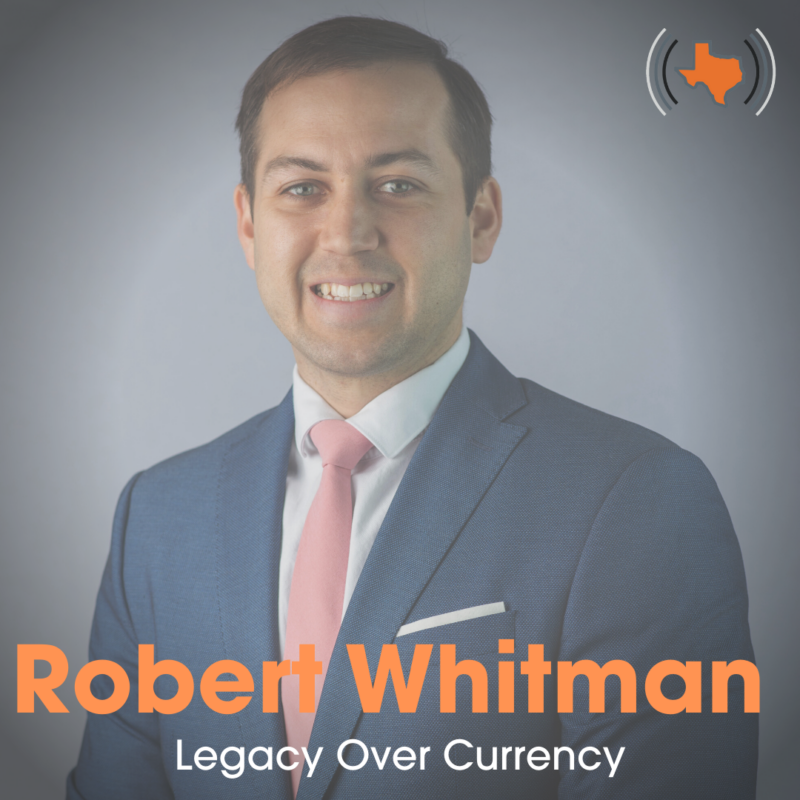
Our latest episode features Robert Whitman, Co-Founder of Forward Science, a privately held MedTech company based in Houston, Texas. Rob co-founded Forward Science in 2006 to change lives through early discovery, diagnosis, and treatment in oral cancer, and in this episode, you’ll learn how he built the successful startup by focusing on legacy over currency.
Transcripts are generated by machine learning, so typos may be present.
Chris Hanslik: Hello, everyone. My name is Chris Hanslik and I’m the chairman of BoyarMiller, a mid-size law firm in Houston, Texas. I want to welcome you to Building Texas Business, a podcast about corporate innovation, entrepreneurship, and business leadership in the Lone Star State. The goal of this podcast is to learn from some of the best business leaders in Texas in hopes that their stories of growth, challenges, and success will inspire our listeners in their own journey to building a successful business. Today’s guest is Rob Whitman. CEO and co-founder of Forward Science based here in Houston, Texas. Rob began his career as a clinical engineer at MD Anderson Cancer Center, where his focus was developing advanced technology for early detection of cervical cancer. After a few years with a failed Houston med tech startup and learning what not to do, Rob co-founded Forward Science in 2012 with the goal of changing lives through early discovery, diagnosis and treatment. In addition to his role as CEO of Forward Science, Rob also serves as an advisor to startup medical technology companies on product development strategies at the Texas Medical Center and has a passion for speaking on the topic of oral cancer and early discovery. Welcome to the podcast, Rob. Thanks for having me. So tell us a little bit more about what Forward Science is known for.
Robert Whitman: So Ford Science, we believe that we can defeat cancer and cancer won’t defeat us. So we’re a med tech company, completely vertically integrated, which is pretty rare in the sense that we design, develop, manufacture, commercialize, deal with all the FDA paperwork and everything. So we deal from the beginning to the end for medical technologies that, again, our goal is to innovate current technologies into simpler, easier, products to then hopefully affect more lives. So, you know, there’s large cancer centers that we’ve partnered with that have some of the great technology that they’re able to use in clinical trials. But commercializing that technology to then get to the masses is not something that people are able to do. So that’s been our focus since day one. The two engineers, our goal has always been to move science forward. So the name was pretty fitting for forward science. And yeah, that’s that’s the gist of it. It’s obviously evolved over time and Then with Kobe, there’s a bunch of different variables, but that’s been the golden focus.
Chris Hanslik: So coming up on 10 years of business, what was the inspiration for you and your partner to start forward science?
Robert Whitman: Oh, man, I wish I could say the inspiration was what it is today, right? So entrepreneurship, as we know today, I mean, there’s degrees for entrepreneurship, there’s courses, people are majoring in entrepreneurship. You know, 10 years ago, which is crazy to think that 10 years ago, entrepreneurship, if you told someone that you were an entrepreneur, it just meant you were unemployed. That’s so true. So for us, we worked for a med tech startup here in Houston. It was run by some pretty senior level gentlemen that did a great job in their careers, but startups are a little different business. They had a lot of money from Teeboon Pickens to start this company. You know, unfortunately, we watch everything what not to do, right? So I mean, we watch or if you watch Seinfeld, there’s a there’s a George episode where he one day just said, I want to be the anti George. I want to do everything opposite. It was the best NBA program I ever had in my three, four year stint there. I mean, the margarita lunches every Friday were great. But at some point, if you’re not selling product and you’re not able to out there and make revenue, money’s going to dry up. I don’t care if it’s Steven Pickens money or whoever’s money it is. So we unfortunately, After a few years of layoffs and working on furlough, which I didn’t know what that was. And now they’re in the pandemic. I think it’s probably more accustomed to people’s knowledge, but we were offered to work for free and if they made money, they got paid. And that didn’t work it for us. So my partner and I went our separate ways. And then a year after our non-competes are up, he called me and said, hey, look, I think we can do this. I think we can make a better technology, better device. We had a really good network. We’ve been in this dental industry, the oral health industry for five or six years now. We had a good network. And we had to convince our wives that this was the right move from a financial standpoint, because you go from having a job to crazy uncertainty. So it wasn’t that we woke up one morning and said, hey, we want to be entrepreneurs. It was more of a forced entrepreneurship.
Chris Hanslik: Okay.
Robert Whitman: Wouldn’t change it for the world, but sometimes you need to be noticed in that direction.
Chris Hanslik: Right. So did it start then with just one particular technology that y’all are familiar with?
Robert Whitman: Yeah. I mean, for the first probably three or four years and we were known as Oral ID. I mean Oral ID is our flagship product and I’ve listened to some of the previous podcasts and they’re great in the sense of I think there’s a marketing one that you had of every six to seven years you got to reinvent yourself. You know we were five years in and we had to rebrand the company into actually Ford Science because we were going to trade shows and meetings and everything was just Oral ID. There was two guys, a spare bedroom, a garage, We took a non-traditional route of, instead of raising a ton of money, buying the offices, getting the beautiful aesthetics, we just said, hey, instead of raising any money, let’s just do it all on our own. We didn’t pay a salary. Our salary was if we sold devices. So Q4 with med devices are great. Q1 is terrible. We didn’t know that. So we had a good Q4 one year, a bad Q1. But for us, it was my partner was making all the devices. He’s a PhD in bio-optics. I have a master’s of biomedical engineering, but I like to think I’m a hybrid of an engineer slash salesperson. So I was banging on doors all through Houston and all throughout Texas and everywhere else because product doesn’t just sell itself. So after three or four years, we had some big wins. We had some big groups that we sold to. And at that point, we just had to figure out what growth looked like.
Chris Hanslik: So, you know, looking back on those formative years, those first three or four years, what were some of the key, you know, fundamentals that you think helped build forward science into what it is today?
Robert Whitman: Yeah, I mean, I think hard work is everything, right? I mean, I was, and I didn’t get to ask you this, what sports you played in college yet, but I walked on a college baseball team at Tulane and It was 100% hard work, right? I’m an overachiever. I shouldn’t have been on the team, but if you work hard enough, there’s a limit. Yes, I mean, I’m never gonna play in the professional baseball leagues, but I think for everyone that’s trying to figure it out, you have to know your market. You have to know your limitations, but you know, hard work wins. Effort wins, especially when you’re in a market that people appreciate hard work. There’s some of the bigger companies that we competed against were not as fast and nimble as we were. So you can get out there by effort and really outwork the competition. At some point, it kind of catches up and you have to be a little more strategic. But for us, it’s laying a good foundation of honesty, integrity on products. And we’re not going to chase the dollar. And as we always talk about legacy over currency, there was a lot of tempting things that we could have done really, really early. And we would have made more money short term. But 10 years from now, or 10 years ago, now we’re looking at it, we would have been in a different situation. I think there’s a lot of factors that go into early years, but you’re going to learn a lot of mistakes and just work through them all. Check every box, what not to do.
Chris Hanslik: So the answer to the question is football. So you talked about hard work, effort, being part of the foundation. How have you taken those principles and what have you done to help create the culture at Forward Science and how would you describe that culture?
Robert Whitman: Yeah, I mean, I think culture is different as, you know, the day one we started, you know, two guys, a spare bedroom garage to now we have almost 20,000 square feet. We make everything in house. It’s a fully integrated system. So early on the culture was, it was a leadership concept of I’m going to do it with you. Servant leadership concept. And you’ve heard a few times where we’re not going to sit here and tell people what to do. We’re going to do it first. We’re going to prove what works and then we’re going to ask people to help us do it. Now we’re at the point where we’ve grown past those growth challenges, and now we look to hire good people that we can trust, and we don’t have to micromanage, we don’t have to babysit, but we can trust in the sense of we understand that if they need help, we’re there. We’re going to keep challenging people, right? I mean, we believe everyone should get a first chance at a new role. I’m a first-time CEO, my partner’s a first-time chief scientific officer, and most of the people that are in their roles at Ford Science are first-time roles. You know, some of those didn’t work out, but I’ll take the chance on betting on people any day of the week.
Chris Hanslik: Very good. So speaking of, you said, you know, some people make mistakes, you give them a second chance. What are some of the setbacks or challenges that you faced along this journey and what was the learning? What was the outcome? How did it improve, you know, the business going forward?
Robert Whitman: Yeah, I think anything you look at is there’s people look at the challenges as, you know, you embrace the challenge and you run away from them. And if you’re doing a startup, you’re just going to embrace it because there’s a challenge every direction. So think of two engineers. having no business experience whatsoever, starting a company. I mean, you’re talking about, how do I form an LLC paperwork? And I don’t recommend people using LegalZoom. We use you guys now, so I highly recommend that. And just for the record, I don’t recommend LegalZoom either. So I think early on, we didn’t know what the challenges were. They just came at us, right? From a legal standpoint, a financial standpoint, structural people standpoint, there are so many challenges to metric. We just looked at it of, How do we embrace those? How do we learn from those? I think one of my biggest learnings as a leader was it’s a small knit group, right? Here’s two people, there’s five people, then there’s seven people. You want to be friends to everyone because it’s in your nature, it’s in your DNA for everyone to like you. But at some point you have to be a leader and a boss. So having that transition from, hey, let’s all get in a room and talk about what we should do to Hey, look, there’s only a few people that maybe we get in the room and talk what we do and let’s, let’s coach the other ones. And this is what we need to do. And I think that’s one of the biggest hurdles of it’s okay not to be liked by everyone because ultimately they’ll understand that you have their best interests. But you may not, they may not know all the variables they want.
Chris Hanslik: Right. So what were some of the things you did to help you make that transition as a leader?
Robert Whitman: No, I mean, that’s for me. I’m a big learner on watching other people that have done it either better than me, just in general. So I’ll ask a million questions. I try to read books. Every time you make a decision, I try to make sure I put the devil’s advocate in the room. You know, my wife’s been one of my biggest rocks throughout this where she’s my high school sweetheart. We essentially grew up together, and she’ll be the first one that’ll support me, but she’ll also be the first one that’ll tell me you’re out of line on this. And then I think having a good mentor and coach. I mean, athletes know that there’s a coach that tells them what they want to hear sometimes. Those aren’t your best coaches. Sometimes your hardest challenges were coaches that gave you advice that you thought they were being a-holes for lack of better terms, but you realized later they just had your best interests. So it’s looking for those people that are there to help you throughout the win.
Chris Hanslik: So you bring up a couple of good concepts and I’m going to follow up on two of them at least. You mentioned reading and good books. What were some of the ones that come to mind for you that you probably still have on your bookshelf and they’re highlighted and pages are tabbed and you pull out from time to time?
Robert Whitman: Yeah, I’m an engineer so I have highlight. I even have references in the back of what page I need to go to if I want to cite this reference. You know early on outliers was a big one for me because I didn’t understand the concept of how do I get to this point, right? the outlier moment of, yeah, it’s hard work, but you also have to have a lot of opportunity there with it. You can’t truly think you’re going to outwork and make the best device in the world, but if the market’s not ready for it, it just won’t work. You know, the Steve Jobs story of how they got to where they’re at and the Beatles story who, you know, they’re a little before me, but the fact that they had to play in unique places and get booed off the stage and then one day they just clicked for them. So I think the 10,000 work hours has been a big concept for me of, what’s your outlier moment? You never get it in year one to five. It’s, you know, long obedience in the same direction. And then eventually one day you’ll feel like you’re the expert, but outliers was early for me. One of my biggest staples that I always was worked back to as onto leadership, Dave Ramsey’s book, and now he has a podcast. You know, I think for him, his principles are important in the sense of you can be a tough leader, but still understand that you’re having tough conversation. but it’s because you’re trying to get the best out of people. And the way he goes about it and the communication styles, I’ve learned a ton from. So yeah, I think there’s a lot of the set of that. Now we’re into the implementation process, right? So now it’s more tactical. It’s the book traction. And we just recently brought on a director of operations to help implement some of these bigger strategies, right? We don’t have the core values on the wall when you walk in the office, but everyone now has a better understanding of these are our core values. This is why we’re here today. metricing them, we started incorporating assessments and recruiting to be able to metric the traits that work well here. So it’s unfortunately in the science world of engineering where we try to over metric things, we do that and we try to do that successfully, but it’s now learning the tactics. So early on it was the hard work, keep going concepts, and then it was leadership concepts and now graduating to the tactics, the operation systems and all that stuff.
Chris Hanslik: I think it’s so beneficial if you can do what you just referenced and that is define success characteristics of your organization right because it’s different for each organization so you can read a book you get an idea but then you have to say how does that apply to our organization and then that helps in your recruiting and retention to see if those characteristics are showing up and the people you have it’s tough i think the people change the organization changes so as it evolves
Robert Whitman: And we need good leaders to lead their teams, but also we respect family. I mean, we have policies at the office that people understand that family comes first. I mean, if you won the lottery Monday morning, would you show up at Ford Science? I don’t know. I have a hard time believing you would. But while you’re there, you know, if there’s an issue with family or daycare or something with the kids, You got to take care of your family first. That’s what we’re all there for. The team probably hates to hear that I have three mouths to feed and they like to eat because they’re three boys. So the question a lot of times I oversimplify things of, is this going to help me feed the boys? The answer is yes and let’s do it. And if the answer is no, then there’s other options that we can spend our time on. But it’s tough, right? I mean, everybody is early on in their phases and trying to make sure they’re working hard. But sometimes working smarter is better than working harder.
Chris Hanslik: That’s true. So going back a little bit, I asked you about books that you’ve read and you mentioned mentors and coaches. So kind of along the way, who do you point to as one or two of those mentors or coaches either in your early upbringing or now since you became CEO at the company you founded.
Robert Whitman: Yeah, I think a lot of the coaches for me growing up are the ones that told me when you tried out for the team or you weren’t good enough or you’re not fast enough or strong enough, it’s not that they were just trying to tell you to get better. So I think you have a ton growing up. I mean, of course, college is the most instrumental for most people given their years and I was given a shot just because I was willing to do anything, and I was taught from them, I mean, hey, look, you have a place on the team, you may not be starting, but if you keep the positive mentality, it’s, you know, this is the book, good to great, right? I mean, you try to find the right people on the right roles. I didn’t have a role when I was on the team at Tulane. I caught bullpens. I, you know, you needed a guy to catch you on the field or play shortstop when the shortstop was out during inter-squad. I wasn’t going to mess it up. At the same time, I was trying to get better. I think all those people are instrumental. But for me, the most important one was I graduated school doing entrepreneurship. You don’t have a lot of people to lean on. So someone that’s done in the past, he actually played college baseball four or five years older than me. And I think from a mentor standpoint, you have supporters and challengers, right? The supporters are the ones that tell you, you’re doing great, keep going, your hair looks great, whatever it is, but they’re just telling you if you want to hear it. And I struggle with that because I need the information of how to get better. So this is one of the biggest challenges that I had as he told me, you know, hey, look, we got to get better. We got to do this. And of course, there’s some positives in there, but how do we keep growing and getting better? So I knew when I called him, it was going to be the brutal truth. And now we’re seven years into our relationship. Finally convinced him that if you really know all this stuff. Why don’t you come be our chief commercial officer. So as of three weeks ago. Got them on board. So I don’t know if that’s an accomplishment or a challenge either way. You know, I think it’s the people that are challenging you is really the biggest mentors. Don’t look for the people that tell you doing great that are telling you that everything’s going great when really the ultimate details for you is if you’re not progressing then you know what is it if you’re not growing you’re dying you got to keep getting better and the challengers are the ones so for me i’ve obviously had a few and my wife being my biggest challenger slash supporter every day and and that’s been the fun part well it sounds like so you got your mentor or chief challenger working for you now i guess does that person
Chris Hanslik: Possess some of the qualities that you find that you lack in some of your or where your your weaker than or and they help kind of fill the gaps.
Robert Whitman: Yeah, I think we’re very similar in the sense of we have, you know, we’re radically transparent in the sense of. If someone needs a little more fluff, it’s a challenge. So you maybe need an intermediary manager to soften the conversation. But from his standpoint, I’ve never grown up in a sales world. I’ve never organized a comp structure or motivation, that world. That’s where we lacked at Ford Science. And early on, we didn’t have money for a sales team. So everything was 1099 commission only. It was motivation type sales. But this, if you have a W2 team, you can drive sales. So our goal for him was to come on board and start driving. that, you know, let’s grow from the strategic standpoint of let’s get a good foundation set on the sales avenue. So we make great products. I put our products against anybody’s, but they’re relevant if I can’t sell them. So he’s, and I told him it’s his baby now, and now I get to be the constructive person on the other side of giving feedback and letting him run with it.
Chris Hanslik: Good. So that’s kind of a good segue. Talking about implementing your strategy and really focusing on that. What Starting out or today, what do you believe forward science has done or is doing now that you would describe as innovative?
Robert Whitman: I mean, I think from our end, time to market, understanding the whole medical device, FDA regulated concept. It’s this foreign world, right? I mean, it’s like legal. I don’t know what it is. I trust you. Just tell me what I’m supposed to do. It’s unique. I mean, it’s challenging because there’s a lot of rules and regulations behind it. And at most companies, to get a product through the FDA, to launch it from design development, you’re talking multi-millions of dollars in two to four years, we can do that for a fraction of the dollars and a fraction of the time. Because we don’t have the red tape, right? There’s not 50 managers in between. There’s not a big research team that we have to report seven things to, we can do a lot of things about trial and error. So from us, we’ve been able to take complex technologies and put them into products that we can design simply, right? I mean, our products are designed so that we make them, which is not novel, but most companies that design product, they never make the product. So if I’m going to design a product with 700 pieces and someone else is going to make it, That’s 700 things I have to buy, supply chain issues for us. So we’ve designed it in the sense that it’s so simple. It’s not challenging to make, which is also why, you know, our margins are healthy and we can keep things announced by making it. And now, you know, one of our biggest partners in the Anderson Cancer Center that helped develop this technology, they’re now a customer and asking us, hey, what else can we help design and develop in moving forward?
Chris Hanslik: It’s a good partner to have.
Robert Whitman: Yeah, I mean, when you’re dealing with the big boys, they move a little slower than I think we would like, as most larger companies do, but to know that they’re using our technology, I mean, yeah, I mean, talk about the ultimate outlier moment. It’s a fun one for that one.
Chris Hanslik: Yeah. So it sounds like at least part of innovation that’s helped your company’s success was the decision to be fully integrated.
Robert Whitman: Yeah. Well, I mean, I think the fact that you’re fully integrated. Look, we are working with you guys. In fact, that I can make one phone call and we’re going through eight different things currently at Board Science, whether it’s real estate or this or that, I can call it one point person and then we can get, I mean, that’s huge in our world. The fact that we’re vertically integrated, we spend a lot of time listening to our customers, understanding what they need, what the product looks like, why they need it, the monetary aspect of it, how much does it have to cost, all that factors into how you design it and how you manufacture it. And then from that, yeah, once you commercialize it, sales teams gotta go do their job.
Chris Hanslik: Obviously, you and I were talking a little bit about this earlier. It’s been a pretty interesting year and a half or so. What, what have been some of the challenges since the pandemic started for you and the company and what’s helped you get through it and what’s the learning been?
Robert Whitman: I think you can, everybody’s dealt with all the challenges, right? I mean, kids work from home, not work from home. Do we, are we supposed to have a business right now? I think day one and we got that phone call. We were on the phone with MD Anderson. We had a partnership meeting to roll out a new product with them. And we were all excited because it’s a great product that they helped influence. And one of the head of the department said, hey, look, guys, I’d love to talk about this product. Now is not the time. We need your help in another way. You guys are one of the biggest resource partners that we have. You’re an FDA registered manufacturing facility in Houston, Texas. not many people are doing that here in Houston. We need you to help us source PPE, sanitizer, anything you can because this wave is about to hit us and it hit us hard. And this is when we were still trying to figure out, is this the news doing what they do? So from that day forth, we came up with, we started making hand sanitizer for our biggest partner down the street and all their healthcare partners. And that taught us to listen to our customers, right? I mean, one of our office members, a team member suggested making hand sanitizer too. And initially it was dismissed and I tell them all the time, I had my text message where I said, hey, look, let’s look long-term, right? I mean, it’s legacy over currency. But meantime, I don’t know what the legacy’s gonna look like. We had to pay bills.
Chris Hanslik: That’s right.
Robert Whitman: So we got back with him and said, hey, look, if you think you can make this, you’re a production manager. MD Anderson just asked for it too. You were right. And let’s make it. Within six days, we made our first batch of FDA-regulated hand sanitizer. We started shipping to all the major hospitals that we worked with. So for us, Listening to customers listening to the market and then I think you know from what got us through that time frame to answer your other question is I’ve always had a challenge describing that feeling of a startup business, right? I mean you guys have gone through it at any given day if you have one product two products Competition can wipe you out litigation can wipe you out a bad day can wipe you out that feeling of every morning when you wake up you don’t know what your fate is and Everyone in the United States of America and probably the world just now experiences the feeling that I’ve felt every day for the past ten years. I don’t wish it upon anyone, but if I have to deal with it, yeah, it’s tough. You know, people didn’t know if they had a job. People didn’t know what it was going to look like next week. The only thing I can reassure them is we’re all in the same boat. We’re going to try to figure it out together and keep having conversation. Having gone through entrepreneurship from day one of not knowing what was going to be tomorrow, that’s what prepared us from today, tomorrow, and anything else that’s thrown at us.
Chris Hanslik: You’re so right about that entrepreneur mentality of every day waking up and going, I better figure it out and make it happen or else.
Robert Whitman: Yeah.
Chris Hanslik: Right?
Robert Whitman: My kids got to eat and I don’t know if You know, now it’s magnified, right? Early on, we started forward science. We started forward science with the sake of my partner and I wanted to feed our family. We had to feed our family. This was the best way that we can work hard. And in theory, the harder you work, the more money you make. It’s not always the case. It has to be the right place at the right time. But for us, we can justify working hard because we’re feeding our families. We knew what we were doing. I never envisioned it now being that we mess up. It’s not our families. There’s 40 families and I respect each one of them. And yeah, we got to, it’s on us, right? I mean, if every time I drive in the office and I see a lot of cars and I’m parking down the street, it’s not a sigh of relief. It’s more of a sigh of, okay, I can’t mess up this next deal.
Chris Hanslik: That’s right. Sense of responsibility.
Robert Whitman: Yeah. I mean, it’s there. It’s, it’s on our shoulders and it’s, you know, there’s a lot of responsibility for it, but That’s all you can do is keep doing your best and trying to make sure that your long-term vision is there.
Chris Hanslik: So how would you describe your leadership style and your philosophy about leadership?
Robert Whitman: Yeah, I mean, that’s changed since day one too, right? I mean, as I keep learning, keep learning what people respond to better. You know, my dad’s a guidance counselor. So he’s a listener and then, you know, using questions to guide people there. I think for me, I’ll go to bat for anyone that’s working hard and trying their best. We’re going to make mistakes and I’m fine with mistakes, but let’s learn from them. I’m not going to be a micromanager. So for us, we make sure that we have people that don’t need a Monday morning meeting. Here’s your seven tasks, good luck, go do it. There are people that need that and it just doesn’t work at Ford Science. We need people that are willing to have their own initiative. We know the obstacle or we know the outcome. It doesn’t matter how you get there. The way I did it is different the way you do it. We brought on a director in training education. And for me, I’m a clinical engineer. I used to travel around the US and probably done thousands of lectures. It’s called sex drugs and oral cancer. So people showed up because we put the word sex in it. But for her, she’s a clinical hygienist and I transferred everything over to her and it’s a hundred percent trust. She does it completely different than I do. It’s way better now because she knows what she’s doing. She’s taken what I was good at and now what she’s good at. It’s just giving people their first shot and letting them go out there and do what they need to do. You know, having trust in your team. I think it’s important. Next man up is always there. And if we find someone good, we just have to put them in the right role.
Chris Hanslik: So I love that, you know, the trust factor of your people. I think that’s what really creates opportunity within your organization where people or given the freedom to fail a little and be trusted and try things. How do you ingrain that in the team below you to whoever they’re managing? What have you kind of done to help instill that in them?
Robert Whitman: Yeah, I think, you know, that’s another big challenge for me is now I’m two steps removed, right? I mean, for one, I was the team. I was banging on doors. So when I’m working with sales reps, I get it. You know, I’ve been told to get out of my office a million times and I understand the challenges. Then you go a level above that and now you’re managing the team. So you can still have direct correlation, but now I’m a step above. So for me, it’s less fluff, more direct conversation, making sure that it’s not up for interpretation. It’s clear messaging, clear expectations. Here’s a few ways to get that from the team, but here are some expectations to make sure we do it. We metric everything at the office. So we have our core values. If we’re doing our core values, let’s celebrate the wins. If we’re not, let’s make sure that they’re clear of why we didn’t hit them. So, you know, I think for being a level above and you can ask everyone I’ll be your biggest cheerleader, but also be your biggest critic in the sense of you can ask me for help and I’ll do anything. But if you know the answer, you know the answer. There’s no reason to keep asking people for help. Just go do it. You know, I think people having the fear of doing things for not getting people and making sure that they’re struggling mentally of, hey, what if I do it wrong? It is what it is. You’re going to do things wrong. I’ve done a million things wrong, but let’s learn from it. Let’s not make the big dollar mistake, but let’s make a few small mistakes. Let’s pilot things and then let’s do it big. Yeah. Okay.
Chris Hanslik: Good. The listeners out here are, you know, either entrepreneurs about to start a business, maybe they started a new business, getting it going. What advice would you give someone like that that, you know, say, look, here’s some things I wish I knew back in 2012 or in those early years that you could maybe share?
Robert Whitman: Yeah, I think one of my biggest thing is hard work pays off, but in the sense of you have to know your market, right? So understand the market. Don’t jump cold turkey and just try to figure it out. Put a good strategic plan together. Strategic plans don’t have to be a 40-page MBA strategic plan. It’s something that I understand the market. My partner always talks about a 10-legged stool. If one of the legs is wrong, it used to be a 3-legged stool until now there’s so many variables with it. You have to do your homework and understand the market. Ask people every which way your feedback. Hey, if I had this idea, what are your thoughts? And start refining it. Whether you’re at a job currently and you’re doing this on the side or you want to jump cold turkey, whatever it is, everyone’s in a different financial situation or opportunity, but understand what you’re going for. Just do it. I think for me, people overanalyze themselves out of things. I truly believe me now. I don’t know if I would have jumped in what I was doing because I would have overanalyzed it. I got kids. What happens to this? What ifs? If you have a backup plan, that’s not a good sign, which I get it. You want a backup plan, but it’s tough. And I think the biggest thing for me is if you don’t have a supportive system, Again, not everyone is in the situation we’re in currently with kids. But if my wife wouldn’t have been supportive every day when I had dinner and she asked how’d today go and I didn’t make a sale, mentally, I already feel like I lost. I don’t need that repetition. So for her, it’s how to go today. What can I do to help? You know, you’re on the right path. It’s somebody that’s supporting you, but also not to the sense of here you are five years later with no sales. You just need those mentors that are telling you you’re on the right path. But make sure that you just jump.
Chris Hanslik: Yeah. So one thing you were alluding to, I think the old saying is analysis paralysis.
Robert Whitman: Yeah. Engineers and lawyers, like we’re on the same boat, right? We want to put this crazy metrics together in this 17-year plan and where we’re going to be, and it’s going to change so much.
Chris Hanslik: There’s also, I think most people would say, if your strategic plan is 40 pages, you’re going to fail because you just can’t do it, right? It’s got to be simple and executable.
Robert Whitman: Yep. Keep it simple stupid, right? That’s the easiest way to put it, but I think simplifying everything is a challenge. I try to reverse engineer everything. I mean, now from everything we do, what do I want my outcome to be? be this crazy company that IPOs it and does this, or do you want to be a company that you’re just happy with working where you’re working, providing jobs for other people and living a good life, then work backwards. And I think that answers a lot of the questions you have throughout.
Chris Hanslik: It certainly helps being clear about purpose is really what, in my interpretation of what you’re saying, when you’re clear about your purpose as the organization, it then puts a frame on decisions when they come your way. Does it fit the purpose or not? And all of a sudden confusing situations become much more clear. One of the things I think I heard you say kind of a couple times to a young entrepreneur is don’t let the fact that you don’t have prior business experience stop you. If you have passion around an idea and are willing to work hard, don’t let it stop you.
Robert Whitman: Yeah, I think a lot of people, I was younger in my career for the fact that we started business and I went to trade shows and meetings and people would always ask, hey, who’s up the top at Ford Science? Tell me about your boss. And I played the card, right? I’d like to say I have a baby face. I mean, it’s changed with kids with the lack of hair, but from the standpoint of embrace it. Whatever your culture is, whatever your concept is, whatever your mindset is, just go for it. And for me, it’s always been radically transparent of, People have always asked, why don’t you go get the MBA now? For what? I mean, there’s no reason to get three extra letters. Not that it’s not helpful, but currently we just spent a decade of, I would argue, the best business plan I’ve ever designed. And we’ve been asked to guest lecture some of these MBA programs. So yeah, I think just go for it, making sure that you’re okay with it. And obviously self-awareness is the biggest thing for anyone, for everything, whether it’s personal life, relationships, from a business standpoint to answer your question about why I brought my mentor on or I’ve been working on it for a while, but I know what I do well and I know what I lack at and it’s getting the people that you lack at, don’t try to do those things. I tried that early on, I’m trying to do seven things and probably partially it was because financially we couldn’t hire someone else to do it. Make sure that you’re self aware, know your skill sets, work on the ones that you don’t do well with, but at the same time bring some people on that can help you exploit that growth.
Chris Hanslik: That’s great advice. So really good stuff. Appreciate you sharing your journey and the learning. We’ll turn it to a little bit lighter side. What was your first job?
Robert Whitman: Oh, my first job for money. I used to cut grass, pressure wash, you know, I used to get baseball hitting lessons, all that fun stuff. Even in high school, I bought two ties because I went to a private Catholic high school in Louisiana and I used to rent out my ties. So for me, the mentality has always been figure out the angle. But my first real job, my big boy job, I graduated on May 18th, which is Sunday. That Monday, I started working at MD Anderson. So going from, you know, a bunch of odds and ends jobs to no real boss to a little different mindset of how many people work there. It’s been a challenge, but it was the best move. I mean, I just packed up my car because I was naive and just drove up to Houston from New Orleans.
Chris Hanslik: So it sounds like you were somewhat of an entrepreneur at an early age, bringing your ties out. That’s great.
Robert Whitman: Yeah, I don’t know where it came from. You know, my dad is a certified financial planner. He’s a guidance counselor at school. So maybe it’s that. You know, for me, it’s always been trying to make sure we can figure out how to make ends meet. And if you can make a dollar and do the right way, then let’s do it.
Chris Hanslik: That’s great. So you’re from South Louisiana, but I’m going to ask you about Texas. You know this is coming. So Tex-Mex or barbecue?
Robert Whitman: South Louisiana believes we have good barbecue as well. So I’ll address on that. It’s a different type. But when I was introduced to Tex-Mex, I think it changed my dietary restrictions in life. I try to put everything in a tortilla now. It is amazing that To the point now where, hey, you know, Bucky’s did the, this is the ultimate pinnacle of Texas, right? You got Bucky’s who put brisket and egg in a tortilla. That’s the pinnacle of it. I think Tex-Mex is the way to go.
Chris Hanslik: Okay. Okay. So even, even some of your KG seafood gets wrapped in a tortilla now?
Robert Whitman: You know, There’s, when you go to Escalante’s and they have a really good shrimp that you can throw in a tortilla. Man, it’s good. And then you throw some different flavors, not just Tony Sashis on everything. Right. It’s actually infused with, you know, different types of jalapenos or hatch, I mean, hatchery and chili season is just. My wife now loves cooking, so for her, when she was introduced to how to cook with hatchery chili, it’s like, oh, now we can cook the roast a little different.
Chris Hanslik: Yeah, those are good. It’s a good time of year. So if you could take a sabbatical for a month, where would you go? What would you do?
Robert Whitman: So for us, we’ve been going down to Galveston. They’re phenomenal beaches in the sense of it’s an hour drive with three boys, six, three, and one and a half. and now learning to fish and crab and do all that stuff. I would take them on a crazy place and just go fishing, hunting, whatever it is. I mean, it’s been fun with my wife and the boys down in Galveston, just being able to have fun in more of a recreational world.
Chris Hanslik: That’s crazy. It sounds like you took all those South Louisiana hobbies and just applying them here in Galveston.
Robert Whitman: Yeah, everybody thinks Louisiana’s the best fish, and don’t get me wrong, it’s great fish, but I think we caught last week eight different type of fish and I had no clue what they were because in Louisiana there’s only four or five types of fish. So we’ve been Googling and now my kids are like this is this type of fish and it’s been a fun occasion to see the boys get to grow up in Texas for sure.
Chris Hanslik: That’s great. Well Rob, I can’t thank you enough for taking the time to be on the show. Your story’s been very inspirational. I have no doubt people out there have taken some notes and got some great takeaways from you. So thanks again.
Robert Whitman: I appreciate you having us.
Chris Hanslik: And there we have it, another great episode. Don’t forget to check out the show notes at boyarmiller.com forward slash podcast. And you can find out more about all the ways our firm can help you at boyarmiller.com. That’s it for this episode. Have a great week and we’ll talk to you next time.
With a deep understanding of your business alongside clear and honest communication, we help clients face challenges fearlessly.
Learn more about our services and how we help clients.