


With a deep understanding of your business alongside clear and honest communication, we help clients face challenges fearlessly.
Learn more about our services and how we help clients.



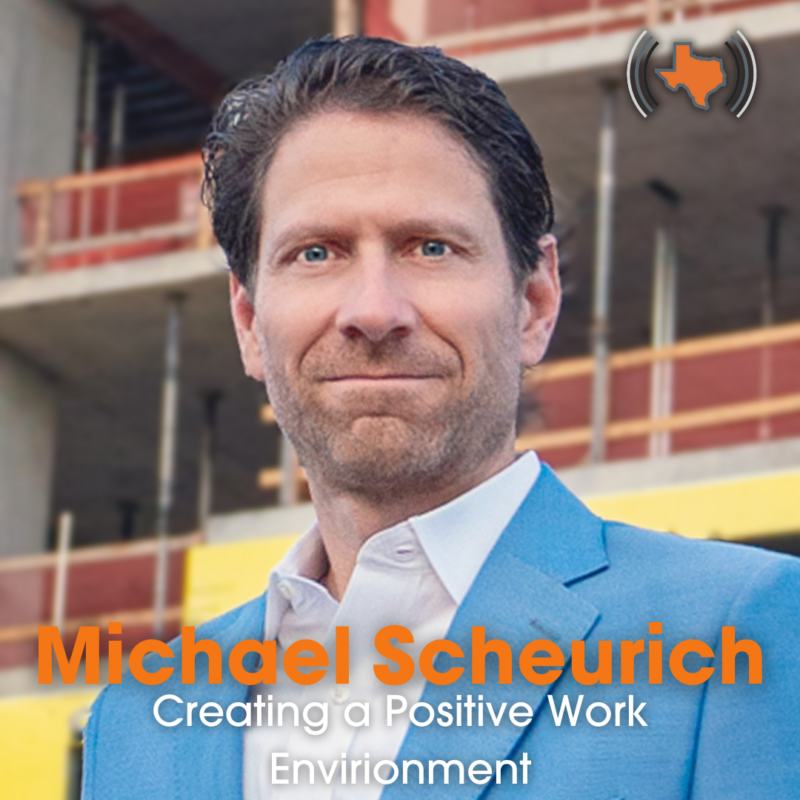
Michael Scheurich, CEO and Founder of Arch-Con Corporation, joins the podcast to share how he has built a strong team by creating a positive work environment, opportunities for growth in ownership and staying competitive with compensation.
Michael’s clarity around purpose and passion has fueled Arch-Con’s success, and his passion for commercial construction shines through his stories.
Transcripts are generated by machine learning, so typos may be present.
Chris Hanslik: In this episode, you will meet Michael Shurick, CEO and founder of Archon Corporation. Michael’s passion for commercial construction is evident. And in this episode, he shares how he has built a strong team by creating a positive work environment, opportunity for growth and ownership, and staying competitive with compensation. Michael’s clarity around purpose and passion have fueled Archon’s success. Okay, Michael, thanks for being here. I appreciate you taking the time to come on the show. I’m glad to be here. It’s great. So you’re the president, founder of Archcon, right?
Michael Scheurich: CEO. I’ve been president now as of about four years. Okay. That’s Jason Cooper. But yeah, I’m the founder of Archcon Corporation and have been so since 2000.
Chris Hanslik: Very good. So tell us a little bit about what ArchCon is known for.
Michael Scheurich: Yeah, you know, it’s interesting because, you know, I think one of the first things that we’re known for is great marketing. You know, general contractors, we’re a commercial general contractor. So, you know, build commercial real estate and people will oftentimes come to one of us and say, you know, man, I see y’all everywhere. I see your trailers. And I saw this on LinkedIn or I saw this on Instagram. So yeah, I think we’ve done a great job as a business with our employees and with our clients and really giving the public a good look into who we are and what we are all about. And so that, and I think from a perspective of a lot of people have seen us over the last couple of decades. And so I think we’re known for that growth that we’ve experienced time and time again, because anyone that’s had a business Kristen knows that it’s hard to grow. You can hold on to something and you can try to control it, but as soon as you start relying on other people and start letting it take on a life of its own, then it gets difficult. So I think people respect that aspect of our business.
Chris Hanslik: That’s great. You raise, I think, an interesting point there and an important one for an entrepreneur like yourself, and that is To truly grow, you’ve got to have the courage to let go of a little bit, trust others. Otherwise, you’re going to be limited to just what you can do, right? Absolutely.
Michael Scheurich: It can be brutal at times.
Chris Hanslik: Yeah. Growing pains, no pun intended. That’s right. That’s right. the way you describe being known for great marketing, because that’s not what you would describe most general contractors as being known for. That’s right. That to me sounds innovative, Michael. So what kind of led you down that path to take that path to being distinctive in your industry?
Michael Scheurich: You know, I think it goes back to why I started the company in the first place. And this is America. And for me, Archon is the American dream. And so you don’t start a business, I think, and truly love it if you’re doing it just for the money, right? You have a passion for first and foremost, whatever it is that the business does. But then there’s a lot of other aspects about having and growing a business. in this country that you have at your fingertips. And so to me, that’s been a great joy, has been to develop all of the aspects of my business, not just what the grind that we do day in and day out but you know the development of people the development of our systems you know the development of our different services within our business and so you know we’ve you know we’re talking earlier you know that or your Miller has won an award in marketing and and so you know we have to and so That’s because it’s important to us and important to both our businesses and because having the people within the organization and those outside the organization have a better understanding of who we are if we communicate well to them. Right.
Chris Hanslik: And what we found, and I appreciate your mention of those awards, what we found, that only works if you really have clarity about who you are as an organization, which I think for us, I don’t think I know for us, comes from what we are passionate about and what we’re committed to as an organization. What is that for ArchCon? What is the passion? What is the mission that you have clarity about that you can then get your employees to align behind and engage with? That’s a great question.
Michael Scheurich: And it’s very clear for us. We are a very entrepreneurial company. We’re an entrepreneurial organization. So that is at our core. This is not Michael Shurick construction. This is Archon Corporation that gives people, first and foremost, the opportunity to push themselves get into a position where they can pursue independent opportunities to work in a very autonomous way with great guidance and leadership, where they ultimately have a path to ownership. And that is unique, I think, in organizations that I’ve seen where many have or tightly held And, or on the other end of the spectrum, you know, where they’re ESOPs or where everyone, you know, is an owner. So I think in a way, you know, our company kind of symbolizes again, what America is because the best, you know, survive. So if, you know, as our, you know, culture, you know, we promote that opportunity for people to, to take on very entrepreneurial roles and pursue the same dream of ownership.
Chris Hanslik: That’s great. So it may back up maybe just a little bit. You made reference to the company being the epitome of the American dream. What was your inspiration for breaking out on your own, I guess, 22 years ago? Yeah, that’s right. What was that? What inspired you to start the company? And what continues to drive you now?
Michael Scheurich: Yeah, I mean, that’s really the essence of it. And you can read all the business books about entrepreneurship. And you can see from the success stories that people that make it through. It’s an incredible challenge and I think I’m, you know, but we talked about sports, you know, before and I am built around taking on, you know, challenge. And so, you know, with that and stepping out and doing it for yourself, I grew up in a family where my dad was a chemist and worked for Texaco for 35 years and, you know, had patents and, but always, you know, was within the protective envelope of the company and I have, you know, I’m the youngest of six and none of my siblings are entrepreneurs. Okay. They’re two firemen, two teachers, an attorney, and so, you know, they… It sounded really good to you saying one was an attorney.
Chris Hanslik: Well, nobody’s perfect. That’s right.
Michael Scheurich: But, you know, they all think I’m absolutely, positively insane. And so I think you have to, if you ask any entrepreneur why they do it, it’s, you know, it’s that internal drive that just keeps them going. And for me, I love the commercial real estate process. And so those things put together, I’m in an industry, Chris, that is very slow to change. The construction industry is very slow to change. And we have labor that is trained and then over years has to have it in a craft and then has to repeat that cycle. So it’s very slow to change. It’s prime for change. where technology can come in and make a significant impact, a really big impact, but it is slow to change. So in my mind, after I got out of school, went to Texas A&M and then worked a few years up in Dallas, I started working in this industry and realizing that it was prime for innovation, which kind of brings us back to the first question, you know, is what kind of innovation? And so, you know, the things that we have done within our walls, such as, you know, with software that had, you know, was early adopters and then with, you know, techniques, you know, in the field, all of those things are the little things that motivate me. And you really can’t do that when you are, you know, on the or within a large organization that is slow to move. And so as an entrepreneur, I felt like I would have more control into taking those kind of directional changes.
Chris Hanslik: Gotcha. So you’re willing to take some risks, right? Absolutely. Not knowing how it may go. That’s right. Following your gut. So you talked a little bit about technology and innovation. What are some of the things that Archon is doing that you believe is innovative for your industry that gives you somewhat of a competitive edge?
Michael Scheurich: Sure. We’ve spent a lot of time and money and effort implementing a platform within the sales force. If you’re familiar with this software, it’s a very In and of itself, it’s a toolbox. You buy a toolbox, but then you really have to invest a lot to build and put the tools within it. And so that has brought together a lot of different aspects of our business, and not just from a contact management software, but really through linking the entire life cycle of our projects. And so that is a big piece of the kind of fiber that runs through us. And then so that’s from the kind of software perspective. And then on the flip side, because I bet if you ask how many construction companies are using Salesforce and invested in that, very few would probably say they had. And there’s other software. But then on the physical side, the construction side, it’s really about thinking outside the box, right? And be willing to get creative. And I think that comes from my artistic and architectural background. And so We incur problems all the time in construction. As an attorney sitting on the side of you’re dealing with a lot of those problems and negotiating with those out. So when you’re in the field and it’s real time trying to resolve those problems, that’s where you really have to get creative. So a best example that I can give you is, you know, when we had a steel crisis, which, you know, we’ve had commodity crisis over the past two years, starting with, you know, the wood framing and everybody sees the headlines and, and so, you know, that ripples through our business. And so there was a period in this where steel was a major problem and you couldn’t get these joists and we’re building, you know, we have different products that Archon builds. We build industrial buildings and we build hotels and we have these You know very discipline divisions that we operate and so one of those is the industrial division we build these big industrial tilt wall warehouses that are for distribution. Everybody knows amazon and amazon has a period of time was. building more than anyone, about a third of all new industrial buildings that were delivered for a number of years were being occupied by Amazon. Pretty remarkable. It is. One company could do that. But during this time, you could not get these choice. And so you had to wait too long. And so we came up and worked with our engineers to implement an all beam system. This is kind of technical, but for someone that’s in the business. It’s basically just thinking about the building in a different way and taking a material that there was plenty of and supplementing it for something that was hard to get. In the end of the day, it was saved money and saved time. That’s a great story, though.
Chris Hanslik: You take a problem and you turn it into a competitive advantage, right? Absolutely. Look at the mousetrap a little differently and how you build a different mousetrap, a better mousetrap. That’s right. It worked out. It seems to me that would have allowed you to maybe be in a position to win more jobs because you were ready to go.
Michael Scheurich: It certainly continued our reputation in that marketplace as one of the leaders. That’s what it’s like in business. You get on top and you got to stay on top. That’s right. You can’t rest on your laurels.
Chris Hanslik: You got to grind it every day if you want to stay on top. It is an everyday grind because once you slow down, you get passed by. That’s right. So let’s go back to a topic we touched on briefly. You talked about being able to grow because you have great people, great team. What are some of the things that you have done you personally to start maybe and then what you have your other team members doing that you utilize to make sure you’re bringing in good team members, training them. What does that look like within your company?
Michael Scheurich: Well, first and foremost, I always say you have to be present to win. You have to be present to win and so being there and and being among all of the individuals in the organization and being connected to them is an important job for me. And I enjoy it. It is the backbone of the organization. And so that is then spread to our executive team. and then continues throughout the organization. So that is an important part. The next piece is the development. It’s one thing to go get a job and get experience at the job and feel like you’re advancing because of that experience. But there’s a whole other level of this development personally where someone can transform from doing the work to managing the work, to becoming a leader. And again, we all have had lots of sessions on leadership, but it really is to me, you don’t go from being a doer to a leader. Some people are just naturally born leaders, and some people are just naturally born salesmen, some are naturally born engineers and, but it doesn’t mean you can’t do the other pieces. And so that’s what we focus on and, and looking at, you know, individuals and, you know, what, if they’re left brain dominant or right brain dominant and really paying attention to those specifics so that we can help them make this, you know, this transformation. And I think that they really latch onto that. They really do. They latch onto it. And we do this in sessions that are within groups. So we have, where we focus, we get all the project managers together and we focus on them and our senior project managers and our vice presidents. And so they all have different levels that they’re operating in. And so we have to target those specific things that they need to help them advance. Gotcha.
Chris Hanslik: That’s great. The best investment you can make is in your people, right? Because that’s who’s out there making it happen. That’s right. So roughly how many employees do you have? 215. 215 opportunities. There you go. So what is it? been like leading an employee force of 215 over the last two years through this pandemic. What challenges have you faced in your role as CEO or the company has faced in trying to keep that employee force together and moving forward?
Michael Scheurich: Yeah. Well, it’s on everybody’s mind. There’s no question about it. It’s the question of the day. You know, we just moved into our new office building the end of 2020 and I have three aspects that I try to focus on when it comes to employees. And that is their work environment, their opportunity, and their compensation. And it really takes all three of those to have a successful relationship with someone at Archon. And so at the beginning, we of this period that you’re talking about, we’re moving into our new office building and I had invested a lot into our venue and the fitness center and just the entire work environment and sit-stand desks and just rethought everything. Because again, construction companies, they’re not typically set up like you go see You know, a, you know, a, uh, maybe an architectural firm that is very ergonomic and very thoughtful in their work environment. And so, um, but it was at this time that, you know, we experienced that, you know, no one could come to the office. So this is one of those things about, you know, entrepreneurship and owning a business where. You know timing is everything right? So this one did not feel very good. We’re all sitting at home with a brand new office, right? A shiny new toy. You couldn’t play with can’t make that up. And so any rate it I think for us it is even more important than ever before because when you talk about working from home, which is been a challenge for every single business. You look at it from the other perspective, Chris, and not everyone is really created equal when it comes to working remotely. I have a really comfortable office at home, and you may have a very nice office that you like to work at home, but many people may have the kitchen table or the dining room table, and they have cats and dogs and kids, and they have maybe relatives in the house. And so I think from a short-term perspective that it achieve what it needs to, but from a long-term perspective, I think it can be a bigger challenge than just that flexibility initially presents itself. And not to mention the impact it has on the culture of our organizations, et cetera, et cetera. So I have no regrets, and I feel like that work environment that we have that is really fabulous will pay off in the end. And if nothing else, to give people a place that they want to go, right? I mean, the place that they want to go. We spend a lot of our time working and so that’s important to me. The opportunity we talked about, we talked about that and we’re very clear about each and every individual and we have clear delineated paths to leadership all the way from entry-level positions like site coordinator through Senior Vice President, you know, and then the other challenge that we’ve experienced and, you know, just talked about beforehand was just the demand for people. And so as you know, we’ve seen prices rise. Well you know the salaries and have had to increase along with those and so you know that is has been a real challenge for us but you know we used to evaluate those you know annually i think you know people had. pretty systematic way of doing their reviews and then their compensation. And I’ve seen it really over the last, and I’d say more than just two years, but it’s been compressing the frequency of which we are evaluating the individual’s compensation. So much so that in this market today, we’re doing it monthly. Really? There’s such a demand for folks working in our industry that’s moving, the needle’s moving so quickly that we have to stay in tune with it. And the only way to do that is to look at it and make as much as necessary. So you have to be willing to kind of throw the old rules away and operate under the new ones.
Chris Hanslik: You raise a great point because that staying current and evolving and things in the last couple years for sure are changing so rapidly that you’ve got to stay on top of it. If you don’t, especially on the talent side, trying to replace someone is so challenging because there’s no guarantee someone’s out there.
Michael Scheurich: human nature to fall into a somewhat of a trap with if someone’s doing a good job and they’re taking care of things. Well, you know, we don’t we tend to not focus on them as much as we should. We’re focused on, hey, we got to get some new people, we got to hire some new people. And so we have to be very careful not to forget about those folks that are really doing great work and pulling a heavy load and making sure that, you know, they’re getting the attention that they need.
Chris Hanslik: So it’s so easy Whether you’re running a business, you hear about it in parenting, right? That the troubled child can get more of the attention. You can’t let that happen because you’ll lose your superstars without giving them the training, attention, opportunity that they’re wanting and delivering. That’s right. I think that’s always been a challenge. I think it’s definitely a big challenge today in a tight labor market that we’re in. Sounds like you’re- I don’t see it changing anytime soon.
Michael Scheurich: Me either. At least until- you know, something significant event happens. But short of that, I think we’re going to have to live through this a little longer.
Chris Hanslik: I think you’re right. And I think that, you know, includes kind of the hybrid work model, though, working from home and, you know, like I said, it’s tough to have a strong culture, at least from my view, when people aren’t together. Right. cultures created with people being connected and being together. I think most business owners I’ve spoken to in the last 12, 18 months have said, we’re trying to regain or rebuild the culture that we had because when you’re apart, you just can’t help but have slippage. How would you describe the culture at ArtCon?
Michael Scheurich: Well, again, I think it has a family environment to it, and that’s resulting of me being a part of a big family. It’s hard to be in a big family, but it’s incredibly rewarding, right? The sense of community within a family that are there for you when you need them. as we call it, the Archon family. And that culture, you know, you pick up others. It’s really a super temp that said this, and we use it frequently, one another helping each other. And I think that was a great assessment of our culture.
Chris Hanslik: That’s a great one. So let’s maybe turn a little bit away from the company specifically and talk more about you as a leader, how would you describe your leadership style?
Michael Scheurich: Well, there’s several, you know, go through history and the great leaders and you have the servant leader and you have the leader by example and, you know, I think from a leadership perspective, it’s always, you know, you have to put yourself on the other side of the table. You have to know that everything you do matters. When you take that perspective, how you dress, how you walk, how you enter the room, how you treat another person, how you treat a situation, people are watching. They’re constantly watching. I think that is the primary aspect of my leadership. The second is, you know, my father, this comes from my dad, Joe Shurik, and, you know, one of the amazing things about him was how he handled difficult situations. Now, everybody has difficult times in their lives, and for some reason, it seems to come in batches, you know, and things happen great, and a lot of things happen in a row, But then when the bad things come, they seem to function the same way. They come in batches. And so that starts to wear on individuals. And so my dad was great about handling the big things. He had a German. I’m German. He had a German temper. Then you yell and then you’d be done in 30 seconds. My mother would hang on to it for three days, but he’d be done in 30 seconds. I think that having the ability to deal with the really tough stuff and a very placid understanding is a big part of leadership. That means you have to be patient. you know, the patient leader. But that’s hard for people because they don’t feel like they’re being taken advantage of or they feel like they’re, you know, it’s threatening them or the viability of their organization.
Chris Hanslik: Or they may even wonder whether you care enough to take action if you’re being too patient, right? And question your leadership, which is a challenge.
Michael Scheurich: That’s right. So leadership’s an art and leadership is, you know, all of these great examples that we have in history and then applying those to our own personalities. And so that’s what, you know, I try to do is to develop that leadership in others. And so, you know, there’s the principles and core principles that really can, if you repeat the process, can be learned. And I think that’s, you know, are leaders made or are they born, right? And it’s like, is our, Do we have a destiny or are we floating on a breeze? Forrest Gump, it’s a little bit of both.
Chris Hanslik: That’s right. I agree with you. I certainly agree with what you said. Drawing on your dad’s experience, your people are watching you, so there’s a crisis. The calmer you are, the calmer they’re going to be through it. take their view of it based on how you’re reacting.
Michael Scheurich: Well, I remember during the beginning of the spring and April of 2020, we started getting these hits every week. We’d get a new hit, the pandemic, and then the stock market that dropped, and then oil went below zero territory. And then you have statues being torn down. Every week, we had something that was traumatic, and people were genuinely upset and fearing. And so every Friday I’d send an email out and very thoughtfully give them my perspective of what the situation was and end with our con courage. And I think that’s an example of that staying calm and helping others deal with that trial and tribulation in front of them. Whether it’s themselves within their four walls of their home and their family, Or if it’s in this world that surrounds them.
Chris Hanslik: Right. So let’s talk a little bit. I was a firm believer that sometimes we learn most in the times that we fail. So I’m curious to know. I take it you agree. We don’t like to talk about him maybe sometimes, but is there an event or circumstance either kind of personally as a leader or that the company went through where you could say, man, I made a mistake or I consider it a failure or setback, but boy, did I learn from it and it made me better going forward.
Michael Scheurich: You’ve heard that we’re not measured on our successes, we’re measured on our failures. And because if you fail, then you have pursued something beyond what you’re comfortable with. You’re pursuing something that you haven’t done before, right? Because once you’ve done it, you get experience and you’re less likely to fail. You’re just, you know, into a production standpoint, right? Right. So if you’re failing, it’s because you’re pursuing something beyond what you already have and know. And so I believe in that. And so it takes time though to learn to live with failure. That’s a big, sure big pill as you, you know, it hits your confidence and your pride and, you know, it’s pride It’s rough. It’s odorless, tasteless, and one of the hardest things in the world is swallow. I think that for someone like me who started a business from scratch with no outside help, I say no outside help. We could talk about all the help. I had a lot of help outside financial help. You know, within the first five years, it was, you know, lots of failure because you just don’t know, you know, that whole expression of you don’t know what you don’t know kind of thing. But sometimes that’s a good thing. I stopped. That’s right. There’s a lot of truth to that. So, you know, making it through those, what I think are common, I think those are very, common failures, banks that won’t give loans to startups and just investors that won’t do it because they know that those are very common mistakes that new businesses make. And so surviving through that, that was quite an experience that I was proud of, right? Because some of those failures almost made an end to Archon. But then you keep going a few years and you get into the outside factors, right? I figured this out. I’m doing this the right way now. But now I get these outside factors. An example here is the financial crisis of 2008. You know, how I dealt with that was, you know, a learning experience when I thought I had things rolling the right way. And so, you know, one of the biggest experiences for me, biggest failures that I had that still is very much a benefit to me today, you know, because I tell people, you know, all my folks all the time, I said, you know, when they make a mistake, I say, okay, you just earned this, right? And we just paid for this. So let’s not waste this. Let us use this because we bought and paid for it and go and do great things. And so, you know, that is called experience, but you do pay for it. Those mistakes, you know, they cost money, they cost time and sometimes the relationships.
Chris Hanslik: But from that, that mindset helps you and your people, right, take the positive from it. Absolutely.
Michael Scheurich: You have to forgive yourself. At the end of the day, you have to forgive yourself because we’re going to make mistakes. And so I’ll give you a very specific example that has had a lasting effect on me during this time. And this is probably about 2010 now, which really that fallout financial crisis really didn’t hit our business until the beginning of 2010. And because in our business, we have backlog where some businesses have inventory, you know, whatever. So you burn through your inventory and then you’re, you know, left with, you know, an unknown. And so here we were in the middle of that unknown and it was a time when, you know, we were losing money. And when a company’s losing money, then, you know, there’s duress and you can see a business. I mean, you see your clients and you see, and we see, you know, Suppliers and vendors and subcontractors, when they’re losing money, they’re under duress and they behave differently. And so it was in this time that an employee made a mistake. An employee made a mistake that was very costly. And I just sounded really professional and calm when I said, This was a mistake and we’ve paid for it. Now let’s not waste that experience. And that sounded really good, didn’t it? Sure. Yeah. Well, in 2010… It sounded different. It sounded a little different because, you know, I was starting to hang by my fingernails from a cliff. And so, you know, I was in duress. And so, you know, I wasn’t calm. I wasn’t patient. And i raise my voice and i told someone to get out and i did you know what. of what a leader should not do. And that had implications from it. As we learn in life that relationships are so important because it is a small world and it is connecting through the least place that you would expect it to. And so that action damaged us for a long time. And so, I assure you that that has never happened since and has been a great source of inspiration for me in my life since.
Chris Hanslik: That’s good. Well, thank you for sharing that because those are meaningful moments. I’ve been a firm believer in those experiences where we look back at that. I messed up but we learned the most from those and I’m sure if we’re honest with ourselves absolutely absolutely so let me ask you this I mean mentors along the way because you talked about you had you know not financial help but help any mentors you’ve had that kind of helped you get to where you are today.
Michael Scheurich: Yeah a lot you know a lot of mentors and i would that would be the first advice that i would give you know anyone you know that’s starting a business and that is you know seek great mentors because you know as a where i am today with my experience and. You know, I am sought out to now. It’s so interesting. You wake up one day and now you’re on the other side of the court.
Chris Hanslik: You’re the old guy in the room.
Michael Scheurich: In some ways, yeah. Trying not to look it. But the unique thing about that is you cannot choose who you want to mentor. It’s very interesting, right? I can’t identify someone and say, I want to mentor them. No, they have to choose me. Absolutely. And so I say to anyone, you have a great opportunity to ask. you know someone to mentor you and the worst they can do is say no but quite often they will say yes and it’s that you know courage that is the primary reason they will say you know yes and it may take a few times to ask but you know I had the benefit early on of a entrepreneur that that was a cfo and he had his own business call the strategic cfo he was a dear friend of mine and so. He helped me with the functionality of a business okay and i think that you have to. It’s an acumen. And I got my MBA from the University of St. Thomas and got a great degree from Texas A&M. But there’s a whole language there that is imperative that you learn. And so that mentorship was incredibly important to me. Of course, my dad talked about that. And another thing I did was I put together, in a period of time, I put together an advisory board. You hear about these advisory boards, but for me, I didn’t want my banker on it. I didn’t want my lawyer on it. I didn’t want my surety on it. I chose people that I thought were incredibly successful around my sphere of my business and commercial real estate. And so a unique story is a great individual, and I had some great individuals on that board. But one was leading Gensler at the time, Jim Furr. And I had met him a number of times, but here he is leading the biggest and best firm in town. And to ask him to be on this board, which he was for about four years, you wouldn’t think, why would he do that? And so that that was because, you know, he saw, you know, from kind of watching me from a distance and had the, you know, the visibility into to what, you know, we were doing kind of comes back to that marketing. Right. He knew who I was. Right. And so that was a huge impact, you know, for me to have that kind of a mentor, you know, in my life. And then, you know, this one even more so, David Harvey, who is one of my favorite people on the planet. Okay. And so I remember because, you know, I would go and, you know, you’d go to these galas and I would go as well. Sure. And so I’d go up and I respected them as, you know, the best construction company in the city. And so I’d go up and introduce myself to David Harvey and say, you know, it’s nice to meet you. And he goes, yeah, it’s nice to meet you and move along. And then, and then, After maybe a year or two, we ended up getting into a really nice conversation, and this was years and years ago. And so when I called him one day and asked him if he would be a mentor to me and would he participate in this, and he said yes. And that is, I think, a great example for anyone in you know our business and really any business that you know that you get back you know what you give and and so it’s people like that never be afraid to ask someone you know for that kind of mentorship.
Chris Hanslik: I think it’s great advice to you know aspiring entrepreneurs or business owners that are listening surrounding yourself with those great mentors. I’ve found that people that have been successful in their career when a younger person comes in, there’s this feeling of wanting to pay it forward. Because what you don’t realize is, regardless of who they are or what their path was, someone in some way helped them along the way too when they were in your position. Absolutely. And you take some sense of obligation and do just that, make yourself available like you’re doing now because someone did it for you. That’s right. Great story, great success. I’ve watched you and your company grow and you’re right, there’s signs and banners all over the city where your projects are going on. So I want to move to wrap it up, but a little personal side that we had some fun questions with. You grew up in Beaumont, Texas, the youngest of six. What was your first job?
Michael Scheurich: So the Edwards family in Winnie and Beaumont were great friends of ours. And so at the ripe old age of 14, I was hired to work in the Seafood Lover, which is a fresh seafood place that Stevie Edwards runs and has still today. And so, you know, it’s nothing like learning to work hard and being in the back of a fresh seafood shop, filleting fish and peeling shrimp and coming home smelling ripe.
Chris Hanslik: Yeah, well, however you learn it, there’s no substitute for learning hard work, right? And that sounds like a good place to do it. What about your native Texan? So Tex-Mex or barbecue?
Michael Scheurich: Oh my gosh, Tex-Mex for sure for me.
Chris Hanslik: All right, there you go. And last question. So if you could take a 30 day sabbatical, where would you go and what would you do?
Michael Scheurich: Well, I’ve done it before, maybe not 30 days, but I’m an old soul and I I’m an old school, you know, I would say a Renaissance man and so Europe is the place for me. And so we have many places and haunts that we like to travel around in Europe.
Chris Hanslik: Okay, very good. Michael, I cannot thank you enough for taking the time to come tell your story. It’s fascinating. Tons of value that you’ve shared with us and congratulations on everything and thanks again.
Michael Scheurich: Absolutely. Glad to be here.
Chris Hanslik: And there we have it, another great episode. Don’t forget to check out the show notes at boyarmiller.com forward slash podcast. And you can find out more about all the ways our firm can help you at boyarmiller.com. That’s it for this episode. Have a great week and we’ll talk to you next time.
With a deep understanding of your business alongside clear and honest communication, we help clients face challenges fearlessly.
Learn more about our services and how we help clients.